

May 14
Woodruff Road Congestion Relief Project
SCDOT Road Projects: Woodruff Road Congestion Relief As the Project title notes, this SCDOT road
Eminent Domain
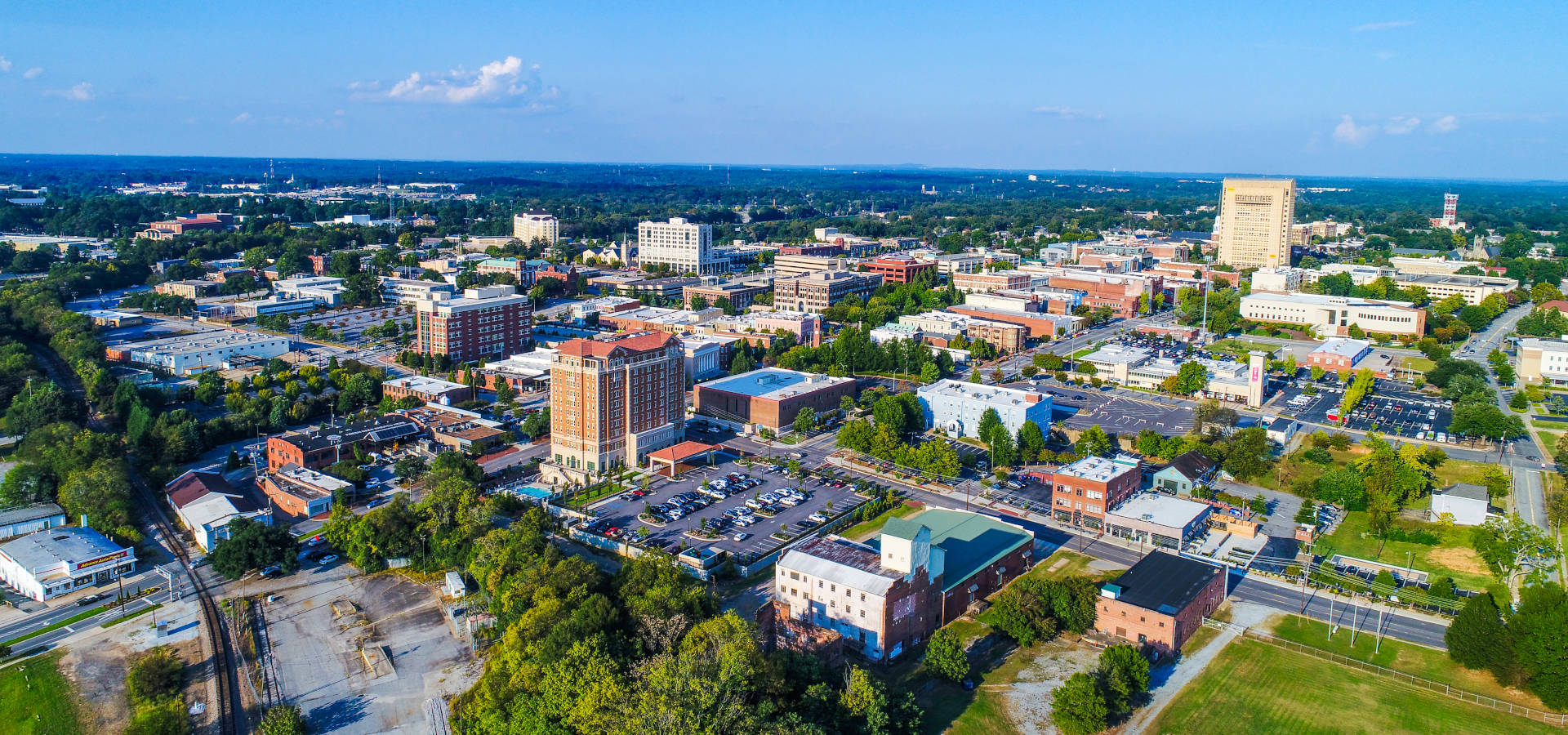
Government agencies in South Carolina can legally acquire private property for certain public projects through eminent domain, but property owners still retain important legal rights throughout the process.
Many landowners first learn about condemnation proceedings after receiving notices related to road expansions, utility projects, or public infrastructure development.
The biggest risk is often accepting government valuations without fully understanding how compensation and property impacts are calculated. This article explains how eminent domain works in South Carolina and what steps property owners can take to protect their land and financial interests.
Eminent domain is the legal authority allowing government entities to acquire private property for public use. In South Carolina, this power is commonly used for transportation projects, utilities, public facilities, and infrastructure improvements.
Although the government can take private land under certain conditions, both the United States Constitution and South Carolina law require property owners to receive just compensation. The legal process is known as condemnation, and it involves formal procedures designed to determine whether the taking is lawful and how much compensation is owed.
Public use generally includes projects intended to benefit the community, such as highways, public utilities, schools, water systems, or municipal development. However, the government cannot simply seize property without following legal procedures or providing compensation tied to the property’s fair market value.
For many property owners, the most important issue is not whether the government has authority to acquire land, but whether the compensation accurately reflects the full financial impact of the taking.
Government agencies and authorised utility companies use eminent domain in a wide range of public development projects throughout South Carolina. The type of project often determines how much property is acquired and how significantly the landowner is affected.
Transportation projects are among the most common reasons for eminent domain actions in South Carolina. State and local governments may acquire land for highway widening, new road construction, bridge improvements, traffic management systems, or intersection redesign projects.
In Spartanburg and growing areas across South Carolina, expanding infrastructure frequently requires portions of residential, agricultural, or commercial property to be condemned to improve traffic flow and public transportation access.
Utility companies may acquire easements or property rights for power lines, pipelines, drainage systems, fibre-optic infrastructure, sewer expansions, or water lines.
Unlike full property acquisition, utility easements often allow the landowner to retain ownership while giving the utility company legal access to use part of the property for specific infrastructure purposes. However, easements can still reduce property value, restrict future development, or interfere with property access.
Cities, counties, and state agencies may use eminent domain for schools, public parks, emergency facilities, municipal buildings, or public service infrastructure.
These projects typically involve direct public use, but disputes can still arise regarding the necessity of the taking, project scope, or compensation offered to the property owner.
| Quick Insight! South Carolina eminent domain cases often involve transportation expansion, utility infrastructure, and drainage improvement projects that affect both residential and commercial landowners. Many property owners first encounter condemnation proceedings long before formal construction begins because agencies start acquiring property during early project planning stages. |
Many eminent domain cases involve only part of a property rather than the entire parcel. Partial takings can create complex valuation issues because the remaining property may lose usability, accessibility, visibility, or development potential.
A partial taking may significantly affect the value of the remaining land even when only a small section is physically acquired.
Property owners retain important constitutional and legal protections throughout the condemnation process. Government agencies cannot simply impose compensation amounts without allowing property owners an opportunity to challenge the valuation or aspects of the taking itself.
South Carolina law requires the government to provide compensation reflecting the fair market value of the acquired property. Compensation calculations may also include damages tied to reduced access, loss of visibility, decreased development potential, or diminished value to the remaining property.
Government appraisals do not automatically establish the final compensation amount. Property owners have the right to challenge valuations they believe underestimate the financial impact of the taking.
In certain situations, property owners may challenge whether the taking satisfies public use requirements or whether proper legal procedures were followed.
Challenges may involve disputes over project necessity, procedural defects, excessive acquisition beyond project needs, or questions regarding the authority of the condemning agency. While not every case supports a successful challenge, legal review can identify whether objections exist.
Eminent domain compensation is often negotiable before formal condemnation litigation progresses. Initial government offers may not fully account for long-term property impacts, business disruption, or reduced future value.
Negotiation frequently becomes more effective once independent appraisals, engineering analysis, or land-use evaluations are obtained.
| Interesting Fact! Partial takings frequently create valuation disputes because the financial impact extends beyond the land physically acquired. Reduced road access, traffic visibility changes, parking limitations, or development restrictions can substantially affect the remaining property’s market value even after the project is completed. |
Property owners have the right to retain attorneys, appraisers, engineers, land planners, and valuation experts during eminent domain proceedings.
Legal representation or hiring an attorney becomes especially important in cases involving commercial property, development land, agricultural operations, or partial takings that create broader financial consequences beyond the land physically acquired.
Compensation disputes are among the most contested aspects of eminent domain cases. The valuation process often involves competing appraisals, future-use analysis, and property impact assessments.
The starting point for compensation is usually the property’s fair market value at the time of the taking. Appraisers evaluate factors such as:
Disagreements frequently arise regarding how the property should be valued or whether the government appraisal properly reflects the highest and best use of the land.
Partial takings may reduce the value of the remaining property even when the government acquires only a small section.
Reduced road access, traffic pattern changes, drainage issues, loss of parking, restricted visibility, or limitations on future development can significantly affect property usability and market value. These secondary damages are often heavily disputed during negotiations.
Commercial property owners may experience operational disruption, customer access limitations, relocation costs, or decreased revenue due to construction or property loss.
Business impacts are often more complex than residential valuation issues because compensation may involve operational interference and long-term commercial consequences tied to the project.
| Exciting Fact! Government appraisals may rely heavily on standardised valuation models that do not always account for future development potential, commercial exposure, or long-term usability limitations tied to the project. Independent appraisers often analyse the property from a broader market-impact perspective than the condemning authority initially considers. |
Government valuations are designed to estimate compensation based on internal appraisal methods and project assumptions. Property owners frequently dispute these valuations because they may undervalue development potential, overlook secondary damages, or fail to account for long-term economic impact.
Independent appraisals and expert analysis often produce substantially different valuation conclusions.
Early decisions during eminent domain proceedings can significantly affect compensation outcomes and negotiation leverage.
Initial offers are often based on preliminary appraisals completed before the full impact of the taking is analysed. Accepting an offer too quickly may prevent property owners from pursuing additional compensation tied to future losses or property damage.
Careful review is particularly important when only part of the property is being acquired.
Government notices may contain surveys, easement maps, project descriptions, valuation reports, or legal filings outlining the proposed acquisition.
Property owners should review these materials closely to understand exactly what rights the government seeks to acquire and how the project may affect future property use.
Independent appraisers can evaluate whether the government’s valuation accurately reflects market conditions, development potential, and secondary damages affecting the remaining property.
In many South Carolina eminent domain disputes, independent valuations identify compensation issues not fully addressed in initial government offers.
Our eminent domain attorneys help property owners evaluate offers, negotiate compensation, challenge improper procedures, and coordinate expert analysis when necessary.
Legal guidance becomes particularly valuable in complex condemnation cases involving commercial land, partial takings, utility easements, or high-value development property.
| Legal Insight! In many South Carolina eminent domain disputes, independent appraisals uncover secondary damages that were not fully addressed in the original government offer, particularly in cases involving easements, corner lot reductions, or commercial access limitations. Early valuation review can significantly affect negotiation leverage before condemnation proceedings advance further. |
Eminent domain proceedings involve constitutional rights, valuation disputes, procedural deadlines, and long-term financial consequences that many property owners underestimate initially.
Early legal mistakes may reduce compensation opportunities or limit challenges related to the scope of the taking. Our attorneys and valuation experts identify additional damages, review appraisal assumptions, and protect against undervalued settlement agreements before condemnation proceedings advance.
In Spartanburg and throughout South Carolina, partial property acquisitions and utility easements often create broader impacts on access, usability, and future development than property owners initially expect.
If the government or a utility company has contacted you about acquiring your property in Spartanburg or elsewhere in South Carolina, early legal guidance can help protect your land rights and compensation interests. Contact Max Hyde Law Firm at (864) 804-6330 to schedule a consultation and discuss your eminent domain case.
Property owners can challenge aspects of the condemnation process, but refusing the initial offer does not automatically stop the government from pursuing eminent domain. In South Carolina, disputes often focus on compensation value, project necessity, easement scope, or procedural compliance rather than completely blocking the acquisition itself.
Many South Carolina eminent domain cases involve partial takings rather than complete property acquisition. Utility easements, roadway expansions, drainage systems, and access modifications may affect only part of the land while still reducing the value, usability, or development potential of the remaining property.
Commercial properties, retail locations, industrial sites, agricultural land, and investment property can all be acquired through eminent domain if the project qualifies as public use under South Carolina law. Business owners may also face operational disruption, reduced customer access, relocation costs, or long-term revenue impact tied to the project.
Property owners can obtain independent appraisals and negotiate compensation before condemnation proceedings are finalised. Valuation disputes often involve development potential, remaining-property damage, commercial exposure, traffic access, or future land-use limitations that the government appraisal may not fully account for initially.
The timeline depends on project complexity, valuation disputes, negotiations, court proceedings, and whether the taking involves residential, agricultural, or commercial property. Some cases resolve through negotiated settlements within months, while contested condemnation disputes involving appraisal litigation or easement conflicts may take significantly longer.
ugh eminent domain, but property owners still retain important legal rights throughout the process.
Many landowners first learn about condemnation proceedings after receiving notices related to road expansions, utility projects, or public infrastructure development.
The biggest risk is often accepting government valuations without fully understanding how compensation and property impacts are calculated. This article explains how eminent domain works in South Carolina and what steps property owners can take to protect their land and financial interests.

Eminent domain is the legal authority allowing government entities to acquire private property for public use. In South Carolina, this power is commonly used for transportation projects, utilities, public facilities, and infrastructure improvements.
Although the government can take private land under certain conditions, both the United States Constitution and South Carolina law require property owners to receive just compensation. The legal process is known as condemnation, and it involves formal procedures designed to determine whether the taking is lawful and how much compensation is owed.
Public use generally includes projects intended to benefit the community, such as highways, public utilities, schools, water systems, or municipal development. However, the government cannot simply seize property without following legal procedures or providing compensation tied to the property’s fair market value.
For many property owners, the most important issue is not whether the government has authority to acquire land, but whether the compensation accurately reflects the full financial impact of the taking.
Government agencies and authorised utility companies use eminent domain in a wide range of public development projects throughout South Carolina. The type of project often determines how much property is acquired and how significantly the landowner is affected.
Transportation projects are among the most common reasons for eminent domain actions in South Carolina. State and local governments may acquire land for highway widening, new road construction, bridge improvements, traffic management systems, or intersection redesign projects.
In Spartanburg and growing areas across South Carolina, expanding infrastructure frequently requires portions of residential, agricultural, or commercial property to be condemned to improve traffic flow and public transportation access.
Utility companies may acquire easements or property rights for power lines, pipelines, drainage systems, fibre-optic infrastructure, sewer expansions, or water lines.
Unlike full property acquisition, utility easements often allow the landowner to retain ownership while giving the utility company legal access to use part of the property for specific infrastructure purposes. However, easements can still reduce property value, restrict future development, or interfere with property access.
Cities, counties, and state agencies may use eminent domain for schools, public parks, emergency facilities, municipal buildings, or public service infrastructure.
These projects typically involve direct public use, but disputes can still arise regarding the necessity of the taking, project scope, or compensation offered to the property owner.
| Quick Insight! South Carolina eminent domain cases often involve transportation expansion, utility infrastructure, and drainage improvement projects that affect both residential and commercial landowners. Many property owners first encounter condemnation proceedings long before formal construction begins because agencies start acquiring property during early project planning stages. |
Many eminent domain cases involve only part of a property rather than the entire parcel. Partial takings can create complex valuation issues because the remaining property may lose usability, accessibility, visibility, or development potential.
A partial taking may significantly affect the value of the remaining land even when only a small section is physically acquired.
Property owners retain important constitutional and legal protections throughout the condemnation process. Government agencies cannot simply impose compensation amounts without allowing property owners an opportunity to challenge the valuation or aspects of the taking itself.
South Carolina law requires the government to provide compensation reflecting the fair market value of the acquired property. Compensation calculations may also include damages tied to reduced access, loss of visibility, decreased development potential, or diminished value to the remaining property.
Government appraisals do not automatically establish the final compensation amount. Property owners have the right to challenge valuations they believe underestimate the financial impact of the taking.
In certain situations, property owners may challenge whether the taking satisfies public use requirements or whether proper legal procedures were followed.
Challenges may involve disputes over project necessity, procedural defects, excessive acquisition beyond project needs, or questions regarding the authority of the condemning agency. While not every case supports a successful challenge, legal review can identify whether objections exist.
Eminent domain compensation is often negotiable before formal condemnation litigation progresses. Initial government offers may not fully account for long-term property impacts, business disruption, or reduced future value.
Negotiation frequently becomes more effective once independent appraisals, engineering analysis, or land-use evaluations are obtained.
| Interesting Fact! Partial takings frequently create valuation disputes because the financial impact extends beyond the land physically acquired. Reduced road access, traffic visibility changes, parking limitations, or development restrictions can substantially affect the remaining property’s market value even after the project is completed. |
Property owners have the right to retain attorneys, appraisers, engineers, land planners, and valuation experts during eminent domain proceedings.
Legal representation or hiring an attorney becomes especially important in cases involving commercial property, development land, agricultural operations, or partial takings that create broader financial consequences beyond the land physically acquired.
Compensation disputes are among the most contested aspects of eminent domain cases. The valuation process often involves competing appraisals, future-use analysis, and property impact assessments.
The starting point for compensation is usually the property’s fair market value at the time of the taking. Appraisers evaluate factors such as:
Disagreements frequently arise regarding how the property should be valued or whether the government appraisal properly reflects the highest and best use of the land.
Partial takings may reduce the value of the remaining property even when the government acquires only a small section.
Reduced road access, traffic pattern changes, drainage issues, loss of parking, restricted visibility, or limitations on future development can significantly affect property usability and market value. These secondary damages are often heavily disputed during negotiations.
Commercial property owners may experience operational disruption, customer access limitations, relocation costs, or decreased revenue due to construction or property loss.
Business impacts are often more complex than residential valuation issues because compensation may involve operational interference and long-term commercial consequences tied to the project.
| Exciting Fact! Government appraisals may rely heavily on standardised valuation models that do not always account for future development potential, commercial exposure, or long-term usability limitations tied to the project. Independent appraisers often analyse the property from a broader market-impact perspective than the condemning authority initially considers. |
Government valuations are designed to estimate compensation based on internal appraisal methods and project assumptions. Property owners frequently dispute these valuations because they may undervalue development potential, overlook secondary damages, or fail to account for long-term economic impact.
Independent appraisals and expert analysis often produce substantially different valuation conclusions.

Early decisions during eminent domain proceedings can significantly affect compensation outcomes and negotiation leverage.
Initial offers are often based on preliminary appraisals completed before the full impact of the taking is analysed. Accepting an offer too quickly may prevent property owners from pursuing additional compensation tied to future losses or property damage.
Careful review is particularly important when only part of the property is being acquired.
Government notices may contain surveys, easement maps, project descriptions, valuation reports, or legal filings outlining the proposed acquisition.
Property owners should review these materials closely to understand exactly what rights the government seeks to acquire and how the project may affect future property use.
Independent appraisers can evaluate whether the government’s valuation accurately reflects market conditions, development potential, and secondary damages affecting the remaining property.
In many South Carolina eminent domain disputes, independent valuations identify compensation issues not fully addressed in initial government offers.
Our eminent domain attorneys help property owners evaluate offers, negotiate compensation, challenge improper procedures, and coordinate expert analysis when necessary.
Legal guidance becomes particularly valuable in complex condemnation cases involving commercial land, partial takings, utility easements, or high-value development property.
| Legal Insight! In many South Carolina eminent domain disputes, independent appraisals uncover secondary damages that were not fully addressed in the original government offer, particularly in cases involving easements, corner lot reductions, or commercial access limitations. Early valuation review can significantly affect negotiation leverage before condemnation proceedings advance further. |
Eminent domain proceedings involve constitutional rights, valuation disputes, procedural deadlines, and long-term financial consequences that many property owners underestimate initially.
Early legal mistakes may reduce compensation opportunities or limit challenges related to the scope of the taking. Our attorneys and valuation experts identify additional damages, review appraisal assumptions, and protect against undervalued settlement agreements before condemnation proceedings advance.
In Spartanburg and throughout South Carolina, partial property acquisitions and utility easements often create broader impacts on access, usability, and future development than property owners initially expect.
If the government or a utility company has contacted you about acquiring your property in Spartanburg or elsewhere in South Carolina, early legal guidance can help protect your land rights and compensation interests. Contact Max Hyde Law Firm at (864) 804-6330 to schedule a consultation and discuss your eminent domain case.
Property owners can challenge aspects of the condemnation process, but refusing the initial offer does not automatically stop the government from pursuing eminent domain. In South Carolina, disputes often focus on compensation value, project necessity, easement scope, or procedural compliance rather than completely blocking the acquisition itself.
Many South Carolina eminent domain cases involve partial takings rather than complete property acquisition. Utility easements, roadway expansions, drainage systems, and access modifications may affect only part of the land while still reducing the value, usability, or development potential of the remaining property.
Commercial properties, retail locations, industrial sites, agricultural land, and investment property can all be acquired through eminent domain if the project qualifies as public use under South Carolina law. Business owners may also face operational disruption, reduced customer access, relocation costs, or long-term revenue impact tied to the project.
Property owners can obtain independent appraisals and negotiate compensation before condemnation proceedings are finalised. Valuation disputes often involve development potential, remaining-property damage, commercial exposure, traffic access, or future land-use limitations that the government appraisal may not fully account for initially.
The timeline depends on project complexity, valuation disputes, negotiations, court proceedings, and whether the taking involves residential, agricultural, or commercial property. Some cases resolve through negotiated settlements within months, while contested condemnation disputes involving appraisal litigation or easement conflicts may take significantly longer.

Need legal help?